


_1.jpg)
Key Takeaways
Shift your mindset and treat the property as an income-generating asset, not a personal space
Set strategic rental pricing using market data to balance occupancy and profitability
Reduce vacancies and screen tenants carefully to ensure consistent, reliable income
Control expenses and make targeted upgrades to improve value without overspending
Sometimes, changes occur in property ownership that are often unexpected. This causes a quiet transformation of passive assets or personal residence into a source of responsibility. Most owners decide not to sell their property due to timing, emotions, or market conditions.
This introduces a new reality to the ownership. That is because the owner must now use the property as an income-generating asset; thus, the beginning of an accidental landlord’s journey.
Accidental landlords are not like experienced investors who entered the market with financial models and established systems. They often employ a reactive approach based on immediate needs instead of a long-term strategy.
However, significant potentials are embedded within this unplanned evolution. You can transform rental income from a temporary solution into a reliable and structured financial stream through deliberate adjustments in strategy.
In this article, OKC Homes 4 You will provide practical and proven strategies to help accidental landlords optimize rental income while maintaining sustainability and control.
Get in Touch with Our Experts!
Rental Income Tips
Rethink the Asset
Conceptual shift is the first transformation to ensure success for accidental landlords. These individuals should no longer consider the property to be serving personal needs. Instead, the property should be evaluated through a financial lens.

The shift in reasoning does not mean abandoning the past identity. However, it requires a redefinition of purpose. This means that a previously private residence now becomes:
A source of recurring income
A competitive product that offers services within a local market
A liability, if mismanaged
The recognition of opportunity and risk will encourage a more disciplined approach. As a result, decisions that accidental landlords make should not be based on convenience. Instead, they must revolve around efficiency, performance, and long-term viability.
Establish a Baseline
Landlords must establish a clear baseline before seeking growth. Improvement efforts will have no direction without a proper understanding of current performance. To establish a baseline, ensure that you have a comprehensive financial snapshot including the following:
Gross rental income shows the total rent collected
Operating expenses that include insurance, maintenance, and utilities (where applicable)
Financial obligations such as mortgage payments and interests
Variable costs such as administrative fees, vacancies, and repairs
Your financial analysis will reveal the actual earning capacity. In several cases, accidental landlords discover that what they considered as profits are consumed by expenses they had ignored. You can create opportunities for optimization by identifying these gaps.
Utilize Strategic Pricing
One of the most influential factors that affects rental income is pricing. Underpricing a rental property will result in lost revenue, while setting the rent too high will lead to prolonged vacancies.

For this reason, accidental landlords should maintain an equilibrium price that will attract tenants and ensure positive cash flow. Here is a data-driven approach that you can benefit from:
Observing occupancy rates and time-on-market trends
Analyzing comparable listings in the same neighborhood
Adjusting pricing based on property conditions and amenities
This strategic pricing aims to optimize income over time but not to maximize rent. You can outperform a higher rent that leads to frequent vacancies by using a slightly lower rent that ensures consistent occupancy. It is essential to perform regular reviews. Pricing strategies must adapt according to market transitions.
Enhance Value Without Excessive Expenses
You don't need to perform major renovations before increasing rental income. Often, you can significantly boost perceived value through targeted improvements. Some effective upgrades to consider include:
Ensuring reliable utilities
Enhancing security features
Updating finishes and fixtures
Improving ventilation and lighting
Tenant perception is influenced by these changes. This will justify rent increases and attract more reliable tenants. Upgrades aim to focus on improvements that provide measurable returns instead of performing cosmetic changes that have limited impact.
Get in Touch with Our Experts!
Minimize Vacancy Rates to Protect Income Continuity
One of the most significant threats to rental income is vacancy. Annual earnings are reduced by each vacancy period. This also introduces uncertainty. Below are some proven strategies you can use to minimize vacancy:
Provide flexible viewing schedules
Prepare the property for immediate occupancy
Ensure prompt response to inquiries
Market the rental property across multiple platforms
The ability to retain tenants is very crucial.

That is because tenant retention eliminates the cost associated with turnover, such as downtime, property maintenance, and marketing. A marginal increase in rent is not as valuable as consistency in occupancy.
Perform Thorough Tenant Screening
Income stability significantly depends on the quality of tenants. Most accidental landlords are pressured to quickly fill vacancies. However, such an approach often results in expensive challenges. We recommend that you follow a strict screening process that assesses the following features in potential renters:
Communication behavior
rental history
employment stability
income reliability
Doing so will help you to choose reliable tenants that can reduce maintenance issues, ensure overall predictability, and contribute to steady rent payments. The tenant selection process should not be considered as a procedural step. Instead, it should be seen as an investment decision that has significant long-term impacts.
Ensure Clarity When Structuring the Lease Agreement
Lease agreements are not just Legal formalities. Instead, there are tools for managing expectations and income. For that reason, it should clearly define the areas below to ensure effectiveness:
Responsibilities for utilities and maintenance
Rent amount, payment schedules, and acceptable methods of payments
Penalties for late payment
Terms for termination and renewal
When the lease agreement has clear terms, it minimizes disputes and ensures income flow predictability.
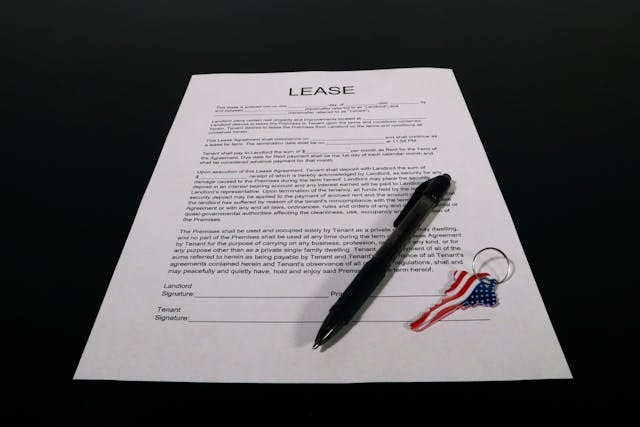
A well-structured lease agreement will simplify property management and reinforce professionalism for an accidental landlord.
Manage Expenses and Control Outflow
Although increasing rental income is essential, controlling expenses is also vital when aiming to improve net Returns. Here are some practical strategies to manage costs:
Avoid unnecessary renovations or upgrades
Compare service providers to obtain competitive pricing
Perform preventive maintenance to avoid expensive repairs
Where applicable, monitor utility usage
Use cost-effective marketing strategies
You can ensure that income gains and not be overwhelmed by rising costs through a disciplined approach to expenses.
Bottom Line
Becoming an accidental landlord starts with uncertainty but can evolve into a reliable financial investment through strategic planning. It is advisable to consider professional property management like OKC Homes 4 You, especially if you have limited time or expertise. Although this may attract a fee, the gains far exceed the expense.

