



Key Takeaways
Accidental landlords need to adopt a business mindset and separate emotions from decision-making
Clear financial tracking is essential to understand true profitability and manage expenses effectively
Strategic pricing and property preparation help attract quality tenants and reduce vacancy
Understanding legal responsibilities and screening tenants properly reduces risk and long-term issues
Some people become landlords even when they never planned it. No carefully timed market entry, no long-term investment strategy, and no spreadsheets, but only a sudden change in situations.
This may often be due to property inheritance, relocating for a job, or slow market conditions that make it difficult to sell the property. The common factor here is that there is a unit, a house, or an apartment that cannot remain idle.
For that reason, it becomes necessary that the owner uses it for rental purposes. Such a transformation is unanticipated and abrupt. It comes with a new set of responsibilities that the owner never expected.
Accidental landlords must quickly learn to balance financial considerations, understand how to navigate legal frameworks, maintain property standards, manage tenants, and adapt to the new role they never planned to assume.
Even though the situation was unplanned, it presents tremendous opportunities. Accidental landlords who approach this situation with intention and structure will transform into a stable and strategic financial position.
In this article that OKC Homes 4 You put together, we will explore how to navigate from uncertainty to control by developing strategies for effective management of rental properties.
Get in Touch with Our Experts!
Understanding the Identity Shift
At the beginning, psychology presents the first and most subtle challenge. The property may be associated with memories and not metrics because it was previously a family asset or personal residence. Once it enters the rental market, everything about it changes. It becomes a service and not a personal asset to be treated with emotions.

That means tenants are not temporary occupants or guests, but are paying customers, and their expectations depend on the wider housing market. This means that the landlord must adopt a professional posture that balances accountability with empathy and firmness with fairness.
This change does not require you to abandon every personal attachment. However, a degree of detachment is expected. Instead of emotions, your decisions should be based on sustainability and practicality.
Tips for Accidental Landlords
Here are some tips accidental landlords can follow:
1. Build Financial Clarity From the Foundation
Most accidental landlords start with a fragmented understanding of their property’s financial performance. They collect rent, make expenses, and assume that whatever remains is their profit. However, this is not the true picture. The proper approach requires a structured financial framework that includes the following considerations:
Operating expenses like property taxes, insurance, maintenance, and utilities.
Gross rental income.
Financing costs.
Repairs, vacancies, and administrative expenses.
Accidental landlords can determine their net income and identify areas that need improvement by organizing these key financial elements.
For instance, hidden costs may be uncovered after considering annual maintenance for a property that previously appeared profitable following monthly financial assessments. You can transform guesswork into informed decision-making by ensuring financial clarity.
2. Use the Proper Pricing Strategy
Rent setting is an ongoing process and not a one-time decision. However, most accidental landlords rely on anecdotal comparisons or intuition. This often leads to overpricing or underpricing. Systemic analysis with the following considerations is a more effective approach to rental pricing.
Observing how long similar listings remain vacant.
Considering features such as amenities, condition, layout, and size.
Reviewing comparable properties in the same neighborhood.
This analysis aims to achieve equilibrium (a situation where a property remains attractive to high-quality tenants while generating optimal rental income) and not to maximize rent at all costs.
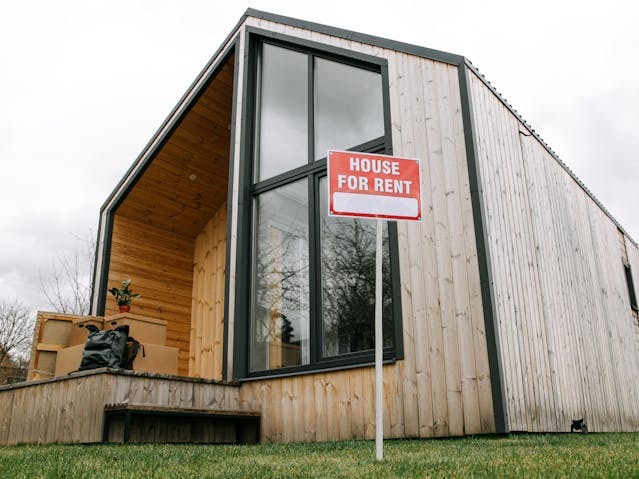
It is crucial to perform periodic reassessments because rental markets are dynamic. They are influenced by local developments, seasonal trends, and economic conditions. If you keep the price static, there is a risk of misalignment with current situations.
Get in Touch with Our Experts!
3. Prepare the Property for Rent
Before leasing the property, it is essential to ensure it is ready to be occupied. Rental properties are expected to satisfy perceptual and practical requirements. They must appeal to potential tenants and perform reliable functions. This means that two parallel efforts will be involved during the preparation.
Functional Readiness: Perform inspections to identify potential issues, address compliance requirements and safety concerns, and ensure that all systems are operational.
Experiential and visual appeal: Enhancing lighting and manual fixtures, apply fresh paint where necessary, and clean and declutter spaces.
The objective is to create a rental environment that communicates care and reliability. Apart from attracting tenants, a first impression helps to set expectations about how the property will be managed.
4. Awareness of Legal Obligations
Most accidental landlords often underestimate the legal dimensions of owning a rental property. It is essential to understand that compliance is not optional but essential for sustainable property management. Here are some essential areas of legal awareness you must consider:
Maintenance and habitability standards.
Lease agreements and tenant rights.
Procedures for addressing eviction and disputes.
Security deposit policies.
Reputational damages and financial penalties can result from failure to comply with these requirements. The stability of the relationship between landlords and tenants can also be affected.
5. Perform Tenant Screening and Selection
Accidental landlords often prioritize speed over scrutiny during the tenant selection process. This is usually because they urgently want to generate income and handle expenses.

However, the approach often results in complications that exceed the benefits of quick occupancy. We recommend that you perform a structured tenant screening process that evaluates the following areas:
Responsiveness.
Previous rental behavior.
Income stability.
Employment history.
Apart from identifying tenants who may have difficulty paying rent, the objective is to select renters who will adhere to lease terms and respect the property. The tenant selection process is not a simple procedural step but a strategic decision with long-term implications.
Bottom Line
Being an accidental landlord only defines origin but not the potential for Success. Although the initial stage may be overwhelming and uncertain, it presents an opportunity to build financial resilience, generate income, and develop new skills.
We recommend shifting your focus to ongoing management once tenants occupy the property. ensure consistency, organization, and professionalism when managing the rental property. Partnering with a professional property management company like OKC Homes 4 You can ensure operational discipline and the establishment of systems and routines.

