


Key Takeaways
Clear expectations, consistent policies, and respectful communication can prevent many avoidable disputes.
Prompt maintenance, privacy, and convenient systems help tenants trust the rental process.
Long-term tenant retention protects income by reducing vacancy, turnover, and screening time.
Rental properties perform best when landlords and tenants work together with mutual trust and clear expectations. While lease agreements and policies are important, the overall tenant experience often determines whether a rental property remains stable, profitable, and well-maintained over the long term.
In Oklahoma, renters may prioritize affordability, fast maintenance response times, digital convenience, or professional property management. Regardless of property size or location, one factor remains consistent: strong landlord-tenant relationships can reduce stress and turnover.
Owners who communicate well and manage properties proactively often experience fewer disputes, better lease renewal rates, and improved property care from residents. Below are nine effective ways landlords in Oklahoma can create healthier, more productive relationships with tenants while strengthening the long-term performance of their rental investments.
We, at OKC Homes 4 You, have prepared a list of 9 tips you can use to have a better relationship with your tenants.
1. Establish Expectations Clearly From the Beginning
Many landlord-tenant conflicts begin with confusion, not intentional rule-breaking.
The move-in process gives landlords an opportunity to explain important lease terms in straightforward language. Rather than assuming tenants fully understand every clause, professional landlords review key responsibilities before occupancy begins. A detailed written lease also helps keep those expectations consistent.
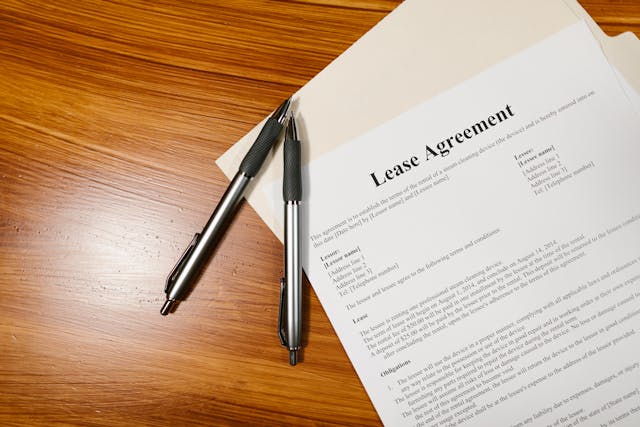
Topics worth clarifying include rent due dates and grace periods, maintenance reporting procedures, pet policies, yard care responsibilities, parking regulations, and emergency contact instructions. Tenants are far more likely to follow rules they clearly understand.
In Oklahoma rental markets where single-family homes are common, clarifying exterior maintenance responsibilities can be especially important. Clear communication at the start often prevents avoidable misunderstandings later.
2. Prioritize Fast and Respectful Communication
Tenants do not expect perfection, but they do expect responsiveness.
When calls, emails, or maintenance requests go unanswered for long periods, frustration tends to grow quickly. Even if a repair cannot be completed immediately, acknowledging the issue and explaining the timeline helps maintain trust. Poor communication often escalates otherwise manageable situations.
A professional approach to tenant communication also includes tone. Respectful, calm conversations typically lead to better cooperation than aggressive or dismissive responses. Landlords who communicate professionally often create more cooperative tenant relationships over time.
3. Treat Maintenance as an Investment, Not an Expense
Property maintenance directly affects tenant satisfaction.
Small issues that remain unresolved, such as plumbing leaks, appliance problems, damaged fencing, or HVAC concerns, can make tenants feel neglected. In Oklahoma’s climate, where extreme heat, storms, and seasonal weather shifts can impact properties, preventative maintenance becomes even more valuable.

Routine inspections and proactive repairs help landlords:
Avoid larger repair bills
Preserve property value
Improve tenant retention
Reduce emergency maintenance calls
Well-maintained homes also encourage tenants to care for the property more responsibly.
4. Respect Tenants’ Privacy
A rental property may belong to the landlord financially, but tenants still deserve privacy and peaceful enjoyment of their home.
Professional landlords provide proper notice before entering the property for inspections, repairs, or showings. Respectful scheduling and communication help tenants feel informed rather than inconvenienced.
Landlords should also avoid excessive visits or unnecessary monitoring. Strong tenant relationships are built on professionalism and trust, not micromanagement. Respecting privacy often encourages tenants to communicate more openly when problems arise.
5. Stay Consistent With Rules and Policies
Consistency is one of the most overlooked aspects of successful property management.
When policies are enforced unevenly, tenants may perceive unfair treatment. This can create tension, complaints, or lease disputes that could have been avoided. Professional landlords apply rules consistently regarding:
Late fees.
Noise complaints.
Unauthorized occupants.
Smoking restrictions.
Parking violations.
Pet policies.
Consistency creates a more predictable rental environment for tenants and supports fair housing compliance by keeping decisions tied to written policies rather than personal preference.
6. Make Renting More Convenient
Modern renters appreciate convenience. Landlords who simplify routine processes often improve tenant satisfaction while reducing their own workload.
Digital tools can streamline operations through online rent payments, electronic maintenance requests, automated reminders, digital lease storage, and inspection documentation. Convenience not only improves the tenant experience but also helps landlords stay organized and efficient.
7. Handle Problems Professionally Instead of Emotionally
Every landlord eventually encounters challenges involving late payments, complaints, or lease violations. How those situations are handled often determines whether problems escalate or get resolved smoothly.

Professional landlords rely on documentation, lease terms, and calm communication instead of emotional reactions. This approach helps maintain authority while reducing unnecessary conflict.
Remaining composed can prevent minor disputes from becoming larger legal issues. Even during difficult conversations, professionalism reinforces credibility and helps preserve working relationships whenever possible.
8. Listen to Tenant Concerns Before They Escalate
Tenants often identify small issues before landlords notice them. Whether the concern involves exterior lighting, drainage problems, parking frustrations, or maintenance delays, listening carefully can help landlords improve both tenant satisfaction and property operations.
Early feedback can help landlords address issues before they become costly repairs. Not every request needs to be approved, but acknowledging concerns respectfully matters.
Residents who feel heard are generally more cooperative and more likely to renew leases. Simple follow-ups after maintenance work or inspections can also strengthen communication and demonstrate reliability.
9. Focus on Long-Term Tenant Retention
High turnover can quietly reduce rental profitability. Vacancies create lost income, while turnovers often involve cleaning costs, repairs, marketing expenses, and tenant screening time. Retaining responsible tenants is usually far more cost-effective than repeatedly searching for new ones.
Landlords who maintain positive tenant relationships often experience longer lease renewals, better property care, fewer disputes, more stable income, and reduced vacancy periods. Tenant retention is rarely achieved through one-time gestures. It is built through consistent professionalism, communication, and reliable property management over time.
Bottom Line
In Oklahoma, successful rental ownership depends on strong communication, consistent management, and responsive property care. Landlords who prioritize tenant satisfaction often experience fewer complications, lower turnover, and more stable rental performance.
For property owners looking to reduce the stress of daily management, partnering with a professional property management company can help streamline operations while protecting the long-term value of their investment.

